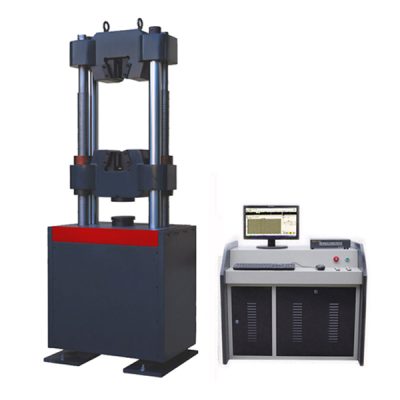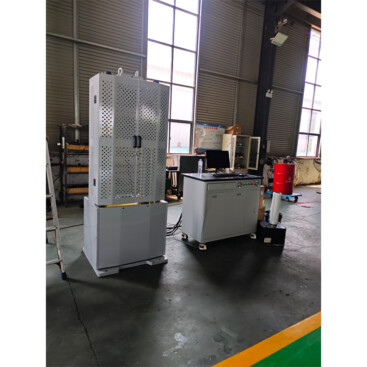
IEC 60947 Motor Aging Test System Motor Endurance Tester Power Analyzer Torque-speed Test Machine

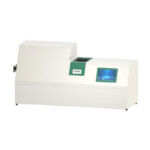
- Description
- Inquiry
Description
System Overview
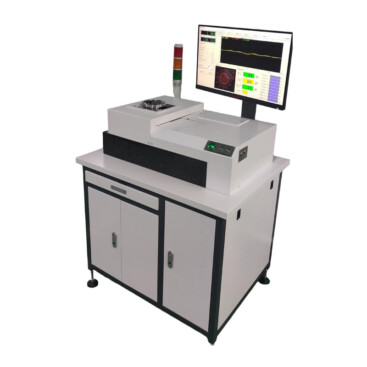
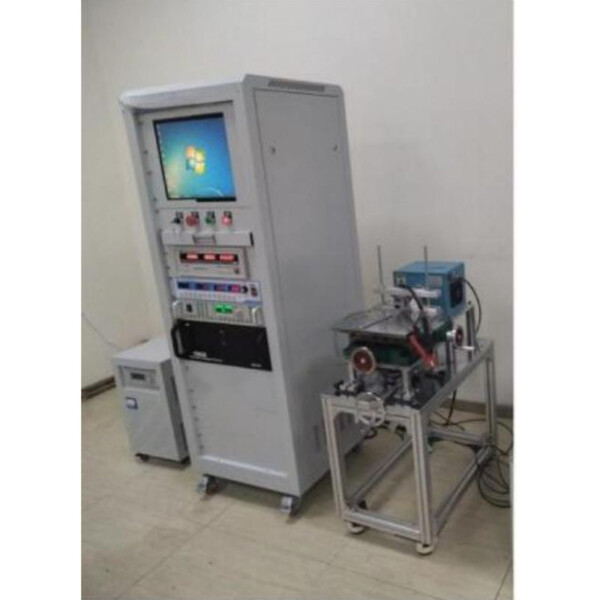
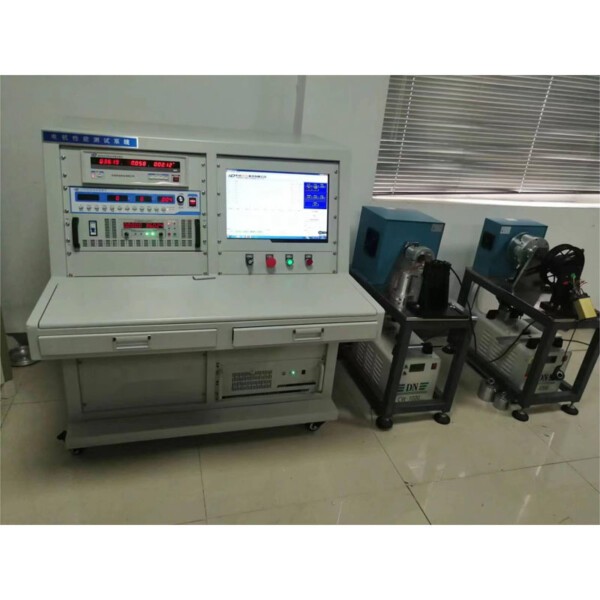
This test system is a product meticulously developed by our company, a specialized testing equipment for motor performance and temperature rise.
It mainly includes:
- Load performance testing
- Fixed-point testing
- Aging testing
The system utilizes high-precision power analyzers and torque-speed measuring instruments, capable of accurately measuring voltage, current, input power, speed, torque, output power, and efficiency for various types and grades of motors.
This system is a specialized testing equipment for motor performance, featuring high testing accuracy, good repeatability, strong operational stability, high parallel efficiency, long service life, and ease of use. It offers both manual and automatic control modes. Manual control mode allows testing without the computer system, while automatic control mode is controlled by the computer. The automatic testing system provides full Chinese software, which can display and print output characteristic curves and data:
n = f(U, I, P1, COS φ, M, P2, η)
M = f(U, I, P1, n, COS φ, P2, η)
It can test and display the following data: input voltage, current, input power, torque, speed, output power, and efficiency of the tested motor. It can display and print test data and load characteristic curves, with multiple output formats available.
Test Items
2.1 Motor input voltage, current, and power
2.2 Motor output torque, speed, and output power
2.3 Motor efficiency
Main System Features
- Sampling time can be arbitrarily set (generally 2s)
- Range and tooth number setting: Users set the corresponding torque range and the number of teeth on the speed gear or photoelectric encoder according to the dynamometer. 3. Calibration Function: Manual calibration is retained (including positive full scale, negative full scale, and zero adjustment).
- Durability Function: According to the requirements of the tested motor, the number of cycles, time periods, and load size (including no-load, light load, rated load, overload, locked rotor, stop, etc.) can be arbitrarily set.
- Dynamometer Load Modes: Excitation mode, constant torque mode, constant speed mode; PID function ensures fast dynamic response and more stable operation of the load.
- Synchronous Sampling of Motor Running Input and Output Parameters: Input voltage, current, power, power factor, frequency, and output torque, speed, input power, and efficiency. Synchronous sampling is performed during measurement to ensure data consistency.
- Production Line Testing Function: With customers’ continuous improvement in motor quality control, in addition to the traditional measurement and control of motor input parameters at the factory, the measurement and control of motor output parameters (torque, speed, output power, efficiency) are specially added. Under forward and reverse rotation conditions, it can automatically and continuously measure the input voltage, current, power, output torque, speed, output power, and efficiency of the motor under no-load, load (or multiple points), and locked rotor conditions. After years of research and development, our company uses a unique image and curve simulation function, adopts the optimal interval setting average algorithm, and automatically determines OK/NG based on the upper and lower limits set by the computer. This function not only provides good data repeatability but also allows for intuitive detection of abnormal test data during motor installation or testing.
- Dynamometer Loading Methods: In addition to the traditional manual excitation loading method, this system has a variety of automatic loading methods: constant excitation increment loading method, constant torque increment loading method, constant speed increment loading method, constant torque loading method, and constant speed loading method.
- Curve Plotting and Fitting Function: The system can meet the testing requirements of various motors and various test projects, and plot various parameter characteristic original curves and fitted curves. It automatically generates no-load point parameters (current, speed), maximum torque point parameters (voltage, current, speed, efficiency, output power), highest efficiency point parameters (speed, torque, current, output power), and maximum output power point parameters (speed, torque, current, output power).
Design Basis
The intelligent motor type testing system fully supports more than 12 domestic and international motor testing standards, and features automated testing functions compliant with the IEEE 112-2004 international standard and the GB/T1032-2012 national standard, providing users with an intelligent and standardized testing experience. GB 755-2008 “Rotating Electrical Machines – Ratings and Performance”
GB/T 18488.1-2006 “Test Methods and Technical Specifications for Electric Motors and Controllers for Electric Vehicles”
GB/T 18488.2-2006 “Test Methods and Technical Specifications for Electric Motors and Controllers for Electric Vehicles” GB755-2-2003 “Rotating Electrical Machines (excluding traction motors) – Determination of Losses”
GB/T 1032-2012 “Test Methods for Three-Phase Asynchronous Motors”
GB/T 1029-2005 “Test Methods for Three-Phase Synchronous Motors”
GB/T 22670-2008 “Test Methods for Three-Phase Squirrel-Cage Induction Motors Supplied by Frequency Converters” GB/T 1311-2008 “Test Methods for DC Motors”
GB/T 20114-2006 “Special Test Methods for DC Motors Supplied by Ordinary Power Supplies or Rectifier Power Supplies” GB/T 18488.1-2006 “Electric Motors and Controllers for Electric Vehicles Part 1: Technical Specifications”
GB/T 18488.2-2006 “Electric Motors and Controllers for Electric Vehicles Part 2: Test Methods”
GB/T 29307-2012 “Reliability Test Methods for Drive Motor Systems for Electric Vehicles” JB/T 10183-2000 “General Technical Specifications for Permanent Magnet AC Servo Motors”
JB/T 10184-2000 “General Technical Specifications for AC Servo Drives”
IEC 60947-1, 2001 “Low-voltage switchgear and controlgear – Part 1: General rules” GB 50052-2009 “Code for Design of Power Distribution Systems”
GB 50054-2011 “Code for Design of Low-Voltage Power Distribution”
GB 50055-2011 “Code for Design of Power Distribution for General Electrical Equipment”
GB/T 50062-2008 “Code for Design of Relay Protection and Automatic Devices for Power Installations” GBJ GB 63-1990 “Design Specifications for Electrical Measuring Instrument Devices in Power Installations”
GB 50171-2012 “Specifications for Construction and Acceptance of Panels, Cabinets, and Secondary Circuit Wiring in Electrical Installation Engineering”
Other relevant national codes and standards applicable to this contract